
How to Start a Salon Business in India: A Profitable Plan & Investment Guide

The beauty and wellness industry in India is growing due to the recent rise in awareness of personal style. This has created an opportunity for aspiring entrepreneurs to enter the industry, but it is highly important to understand the market and business terrain in India before starting a business. This includes planning and assessing the feasibility of the business before any investment.
This guide explores in detail the steps you should take before starting a salon business and how the investments should be planned and made for a successful entrepreneurial journey.
Table of Contents
Steps to Take Before Starting a Salon Business in India
Setting up a salon business in India requires heavy planning and strategising before any decision is made. Below are a few steps that an aspiring business owner/entrepreneur can take to ensure a well-balanced approach:
1. Conducting Market Research
The first and most important step is market research to understand the current services, the situation of the market, business model of the competitors and various aspects of the business, and existing business models of the competitors.
2. Choosing the Right Business Model
After market research, comes choosing the business model on which the salon will operate. There are several types of salons in India, and understanding whether yours is focused on a specific service or a full-service salon is important.
3. Choosing the Perfect Location
If you are planning to set up a physical salon, it is very important to choose a good location, ideally where people stop by or can find similar types of services. If the choice of location is not suitable for the service, there will be a gap between your reach and product.
4. Salon Layout and Design
The design layout of the salon should be highly organized with proper storage and movement space for the staff. Besides the layout, the choice of interior design is another element you should focus on, as it will decide the whole look and set the aesthetic of your business.
5. Hiring and Training the Staff
Another part of establishing and operating a salon is hiring and training new staff. They may have previous experience, or they may be new; it is equally important to train both so they can deliver the services efficiently.
6. Licensing and Legal Requirements
Before the operations start, it is important to check the required registrations and licenses you need to acquire from the legal bodies. This usually includes business registrations, municipal and safety permits, and professional staff certifications.
7. Planning the Services and Pricing
Every salon has a specific service that they specialise in; find that area or technique that is specific to your brand. This can become your USP and help you set your brand voice and marketing.
8. Marketing and Brand Awareness
Once it is confirmed that the salon will open, you need to start marketing and creating brand awareness. This includes ad campaigns and social media accounts showing the details of the brand.
How to Invest and Check the Major Cost Components
Once the planning phase is complete, the investments and cost breakdown start. A business owner should have complete information on what needs to be invested in before the business starts to ensure there are no missed details once the business starts. Below is a breakdown of the major investment and cost components for easier planning.
1. Check the Shop Rent and Security Deposit
When searching for the shop location, check the rent prices in your preferred location and also add a few other locations in case you cannot find a suitable deal in your first preference. Another detail you may miss is the security deposit; check the details and compare it with other suitable locations to ensure you find the most suitable option.
2. Interior Design and Furniture
Once you have settled on the interior design and furniture, check the prices and compare them across sellers. This helps you avoid overpaying suppliers and choose suitable assets for your business.
3. Equipment
Check the equipment’s pricing and quality before finalising the purchase. You need to ensure the equipment is robust in quality and can be used for a long time before any replacements or repairs are required.
4. Salon Products
Instead of buying the best product for every service, check which one is most suitable and spend accordingly. Overspending on luxury products when your target audience is looking for mid-range services is not ideal.
5. Costs of Hiring and Training Staff
Senior staff who have been in the business for years may not need the same level of training as the newcomers. So, check the level of expertise of the staff and then calculate the funds required to cover the training expenses accordingly.
6. Software and Billing System
Check and choose the machines and software required for billing and managing the sheets. Check how each software subscription works and if you can reach out to the vendor and get custom pricing.
7. Marketing and Branding Costs
You do not always need to spend the same amounts on campaigns and other parts of marketing. Once your brand has a reputation, you can relax the spending in marketing compared to the initial days of the business.
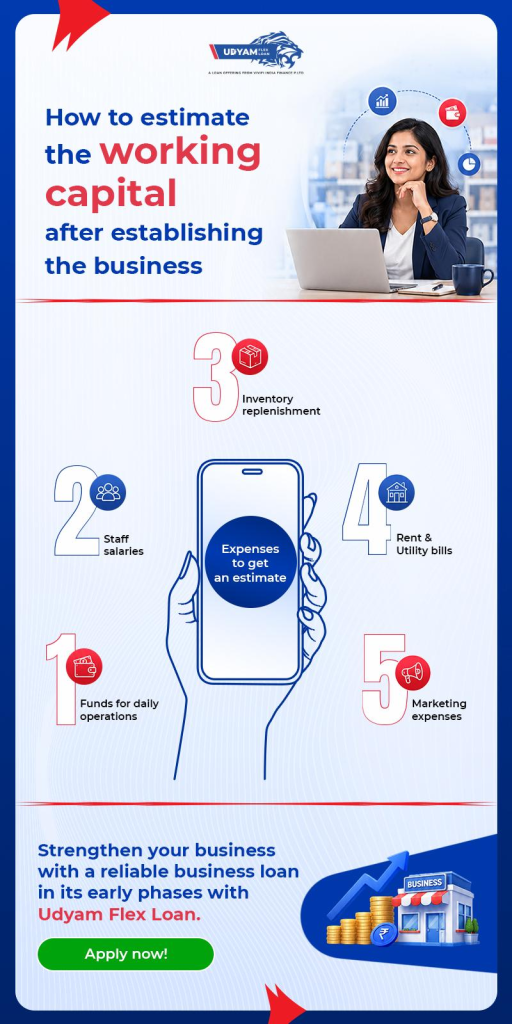
8. Working Capital
Having the funds to run the operations once the business is established is important. Making all the essential purchases may exhaust the funds, and you may not be left with enough to have working capital. There are reliable digital lending options for MSMEs to continue operations, and you can integrate the EMIs into your monthly budgets with ease.
This also raises a commonly asked question: What are the benefits of digital lending for MSMEs?
Digital lending is becoming the go-to solution for new MSMEs because of the online application process, no collateral requirements, and minimal documentation. This means new business owners can access loans without making any branch visits or needing to handle stacks of documents for approval.
Documents Required for Business Loan Approval
- ID Proof: Aadhaar card and PAN card are required to verify the identity of the business owner.
- Business Details: Usually, bank statements for the last 6 months or business vintage are required to verify the business.
- Proof of Income: The business must generate a minimum monthly revenue of ₹30,000 to be eligible for the loan.
Continue Reading to Know More!
Common Mistakes to Avoid When Starting a Salon Business
New business owners may make mistakes when starting or growing their businesses; knowing which mistakes are common can help you avoid them:
- Not Training the Staff: One of the most common mistakes new business owners make is that they think previous experience is enough and they do not need to train the staff. This can make it difficult to provide some services.
- Poor Inventory Management: Underloading or mismanaging the inventory can make it difficult to cover the range of services initially and affect the perception of the brand.
- Ignoring Legal Compliance: Some business owners tend to overlook the importance of proper licenses and documents to operate their business. Not having everything ready early can create issues later on.
- Not Pricing the Services Correctly: Discounting too heavily or overcharging can make it difficult to connect with the target audience and affect the business early on.
- Underestimating Working Capital: New business owners tend to stay focused on the business and the details without paying attention to the working capital needs. This can become an issue later and hinder the processes.
What are the best digital finance solutions for MSMEs?
With the advent of digital lending, MSMEs can opt for a working capital loan to fulfil the operational needs and fill any cash flow gaps that the business may face in the initial phases.
Udyam Flex Loan: The Best FinTech Solutions for MSMEs
Having timely access to an MSME loan in its early days can make the difference. A new business owner needs a reliable digital lending app like Udyam Flex Loan, which offers a business loan of up to ₹10,00,000 with simple eligibility criteria and the following benefits:
- No Asset Pledging: Udyam Flex Loan does not require collateral to approve business loans.
- Minimal Documents Required: The required documents are minimal, making it easier for growing businesses to apply.
- Online Application Process: The application process for a business loan from Udyam Flex Loan is completely online and does not require branch visits or physical documents.
- No Prepayment Penalties: Udyam Flex Loan does not charge any preclosure penalties in case the business owners want to close the loan earlier than the agreed-upon term.
- Simple Eligibility Criteria: The eligibility criteria are simple and allow growing business owners to apply with ease.
Conclusion
Salon businesses require detailed planning and investment strategies before the business is established. It includes several steps such as market research, choosing a suitable location, deciding the services, training the staff, pricing the services and so on. While covering the expenses, it can be difficult to ensure working capital for the business. New business owners may find it difficult to find a business loan at the early stages, as approval requires several documents and processing may take days.
Udyam Flex Loan is a digital lending app designed to offer a business loan for MSMEs of up to ₹10,00,000 to registered MSMEs, ensuring their business operations continue without disruption. There are various benefits of borrowing from Udyam Flex Loan, such as minimal documents, no collateral, no prepayment penalties, and an online application process.
Access business loans up to ₹10,00,000 without collateral and minimal documents, and start your entrepreneurial journey with ease! Apply today!

FAQs
1. What is the initial investment required for a salon in India?
Investment requirements vary by city, location, salon size, and business model. Business owners should prepare a detailed estimate based on their specific requirements.
2. Which certificates are required to access a business loan for MSMEs?
A business loan for MSMEs from a digital lending app such as Udyam Flex Loan requires an operational history of the past 6 months, Udyam Registration, and a minimum monthly income of ₹30,000.
3. Do I need collateral for a business loan from Udyam Flex Loan?
Udyam Flex Loan offers unsecured MSME loans, meaning the business owner does not need to submit any collateral. This allows businesses to keep their operations without any disruption.
4. How do I make my salon business profitable?
Salons become profitable through customer retention, as customer loyalty guarantees long-term business. Besides that, bundled services, selling products and referral rewards to boost customer acquisition can help make the business profitable.
5. How much loan can I get if my salon is a registered MSME?
From a digital lending app such as Udyam Flex Loan, a salon business owner can access an MSME loan of up to ₹10,00,000 with minimal documents, an online application process and no collateral.